Brandon Domestic Violence Attorney: Protecting Families in Florida
Hillsborough County Domestic Violence Representation Since 1988
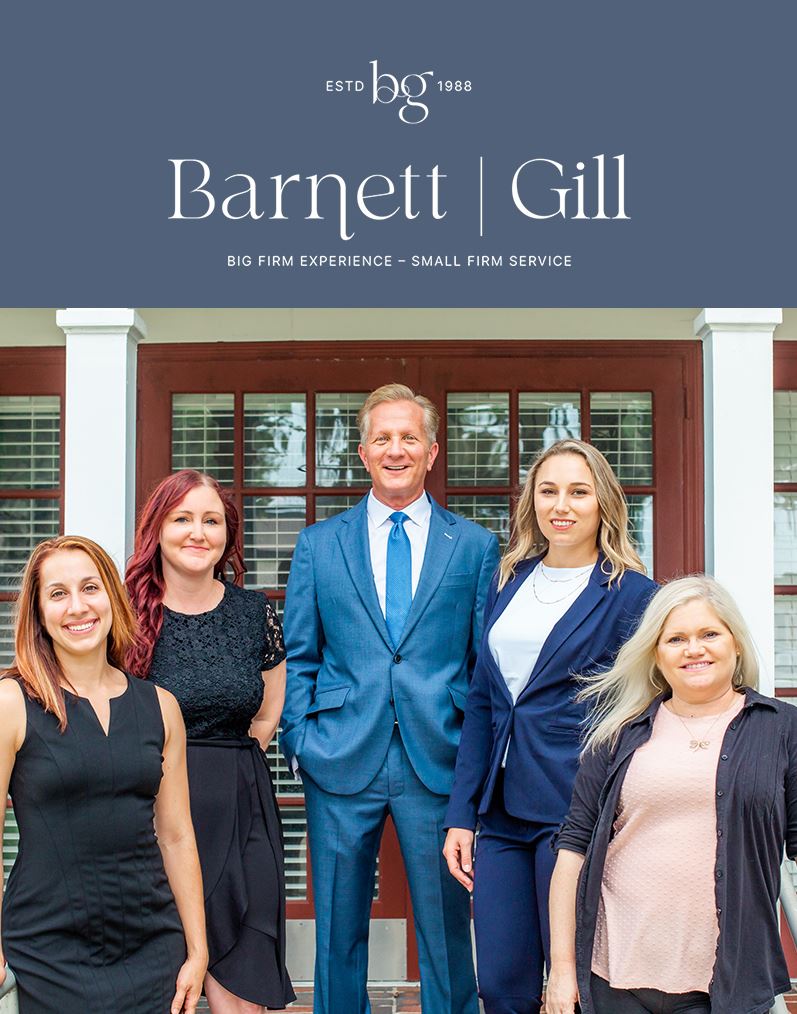
When you’re facing domestic violence, the decisions you make in the first hours and days matter enormously. At Barnett Gill, we’ve guided Brandon-area families through domestic violence injunctions and related family law matters since 1988. We know the Thirteenth Judicial Circuit’s filing requirements, timelines, and courtroom expectations from the ground up. Attorney Thomas P. Gill Jr. trained at one of the nation’s largest firms before opening this practice, bringing professional rigor to a client-centered office where calls are answered promptly, and attorneys personally return messages.
We handle every legal dimension a domestic violence situation can create: injunctions for protection, divorce, child custody modifications, child support, alimony, and post-judgment modifications. You don’t need to piece together multiple attorneys for multiple problems. We address the full picture in one place.
Schedule a consultation with a dedicated Brandon family law lawyer by calling us at (813) 305-0353 or contacting us online.
Florida’s Definition of Domestic Violence
Under Florida Statute 741.28, domestic violence includes assault, aggravated assault, battery, aggravated battery, sexual assault, sexual battery, stalking, aggravated stalking, kidnapping, false imprisonment, or any criminal offense resulting in physical injury or death committed by one family or household member against another. Visible injuries aren’t required for the statute to apply, and a charge or injunction doesn’t depend on whether the victim sought medical care after an incident.
The Florida Department of Children and Families describes domestic violence more broadly as a pattern of behaviors used to establish power and control over an intimate or former intimate partner. Recognized categories of abuse include:
- Physical abuse: Battery, assault, and other acts that cause bodily harm
- Sexual abuse: Any unwanted sexual contact or coercion
- Emotional abuse: Threats, intimidation, isolation, and manipulation designed to undermine the victim’s sense of safety or self-worth
- Economic abuse: Controlling access to money, employment, or financial resources to maintain dependency
The Three Phases of Domestic Violence
Domestic violence is cyclical and follows three phases: tension building, explosive, and honeymoon.
- Tension-building phase: Conflict escalates through arguments, threats, and coercion. Victims often describe this period as walking on eggshells, never certain what will trigger the next incident.
- Explosive phase: The major act of violence or abuse occurs. This is the incident most often associated with a police report or medical visit.
- Honeymoon phase: After the explosion, the abuser frequently expresses remorse and seeks reconciliation. This response can cause victims to minimize or justify what happened, which is one reason the cycle continues and typically escalates over time.
Recognizing this pattern is often the first step toward breaking it. If this description fits your relationship, you aren’t alone, and legal protection may be available.
Local Resources for Domestic Violence Support in Hillsborough County
You don’t have to navigate this alone. Hillsborough County has established, well-resourced organizations ready to help right now.
The Spring of Tampa Bay is the DCF-certified domestic violence center serving Hillsborough County. Its 24/7 crisis hotline is (813) 305-0353. The Spring operates a 128-bed emergency shelter and provides emergency housing, counseling, legal assistance, and Florida Bar-licensed attorneys who offer free help to survivors seeking injunctions for protection.
Hillsborough County Clerk of Courts accepts domestic violence injunction petitions seven days a week at the George Edgecomb Courthouse in Tampa. There is no filing fee. The Clerk’s Office also offers TurboCourt online filing, allowing survivors to initiate a petition from any location without visiting the courthouse in person.
For a statewide directory of certified domestic violence centers, the Florida Department of Children and Families maintains a local domestic violence center map that you can use to find additional resources. For Hillsborough County-specific filing information, visit the Hillsborough County Clerk’s domestic violence page.
Legal Protections for Domestic Violence Victims
Florida law gives domestic violence victims concrete legal tools to stop contact, secure their home, and protect their children. The most immediate is the domestic violence injunction, a court order under Florida Statute 741.30 that can prohibit the respondent from contacting or approaching the petitioner. Injunctions can also grant exclusive use of the shared home, restrict or suspend the respondent’s firearms rights, and establish temporary custody and support arrangements.
How the Injunction Process Works in Hillsborough County
The injunction process moves quickly once a petition is filed. Understanding each stage helps you know what to expect.
- Temporary Injunction: A judge can issue a temporary injunction the same day a petition is filed, without the respondent present. This order can take effect immediately and provide protection while the case proceeds.
- Return Hearing: A hearing may be scheduled within 15 calendar days of filing. Both parties may present evidence, and the judge determines whether to issue a final injunction.
- Final Injunction: A final injunction can last for a set number of years or indefinitely, depending on the circumstances the judge weighs. It may include no-contact provisions, eviction from the shared home, custody restrictions, and supervised visitation requirements. Violations can result in criminal charges.
Other Injunction Types Available in Florida
Florida also provides injunctions for situations that don’t meet the household member threshold under Statute 741.30. Repeat violence, dating violence, sexual violence, and stalking injunctions are available for victims whose relationship with the respondent doesn’t qualify as family or household. We can help you determine which type of injunction fits your situation and prepare the petition to meet the court’s requirements.
Steps to Take if You Are a Victim of Domestic Violence
The actions you take after an incident can strengthen your position in court. Here is what we recommend and why each step matters for your case.
- Call 911 if you are in immediate danger. Law enforcement can respond quickly, document the scene, and may serve the respondent with a temporary injunction.
- Seek medical attention. Get evaluated even if your injuries aren’t visible. Medical records created close in time to an incident can substantiate your claims at the return hearing in a way that memory alone cannot.
- Document every incident. Write down dates, times, and descriptions of what happened. Note any witnesses and their contact information. Photograph injuries, damaged property, or threatening messages. This documentation can become evidence.
- Protect your search history. Use a private or incognito browser when researching your options, or use a device the respondent can’t access. Your safety may depend on not alerting an abuser that you are seeking help.
- Create a safety plan. Decide in advance where you will go, who you will call, and how you will protect your children if you need to leave quickly. The Spring of Tampa Bay can help you build one.
- Contact an attorney. We respond promptly and can begin advising you on protective steps before a formal engagement is signed. The more thoroughly you’ve documented your situation, the stronger the petition may be.
If children are in the household, their safety can be addressed through the injunction proceeding itself. Courts may have authority to issue emergency custody modifications as part of a domestic violence injunction, and we pursue those modifications when the facts support them.
Why Brandon Families Choose Barnett Gill
Domestic violence cases demand an attorney who responds fast, communicates clearly, and knows the local court system without having to learn it. We’ve been serving families in Brandon and Hillsborough County since 1988, which means we know the Thirteenth Judicial Circuit’s forms, timelines, and judicial expectations. This helps reduce errors, delays, and unnecessary costs for our clients. Attorney Thomas P. Gill Jr. trained at one of the nation’s largest law firms before building this practice around the idea that clients in difficult moments deserve both professional rigor and genuine care.
Our attorneys personally return calls, clients receive updates without having to chase them down, and because no two domestic violence situations are alike, we tailor the legal strategy to your specific circumstances. When a domestic violence situation also involves divorce, custody disputes, child support, alimony, or post-judgment modifications, we handle all of it without requiring you to find additional counsel. Our long-standing community involvement with organizations like ECHO and local ministries reflects the same commitment to Hillsborough County families that guides our work in the courtroom.
If you are a victim of domestic violence, contact us online or call our office at (813) 305-0353 to discuss your options.
Our Team
Serving Florida Families Since 1988





Testimonials From Real People
-
“This law office is truly dedicated on helping you.”
-
“well prepared”
-
“She will empower you and guide you every step of the way.”
Contact Us Today
Schedule a personalized consultation by emailing us using the form below or calling (813) 305-0353.